

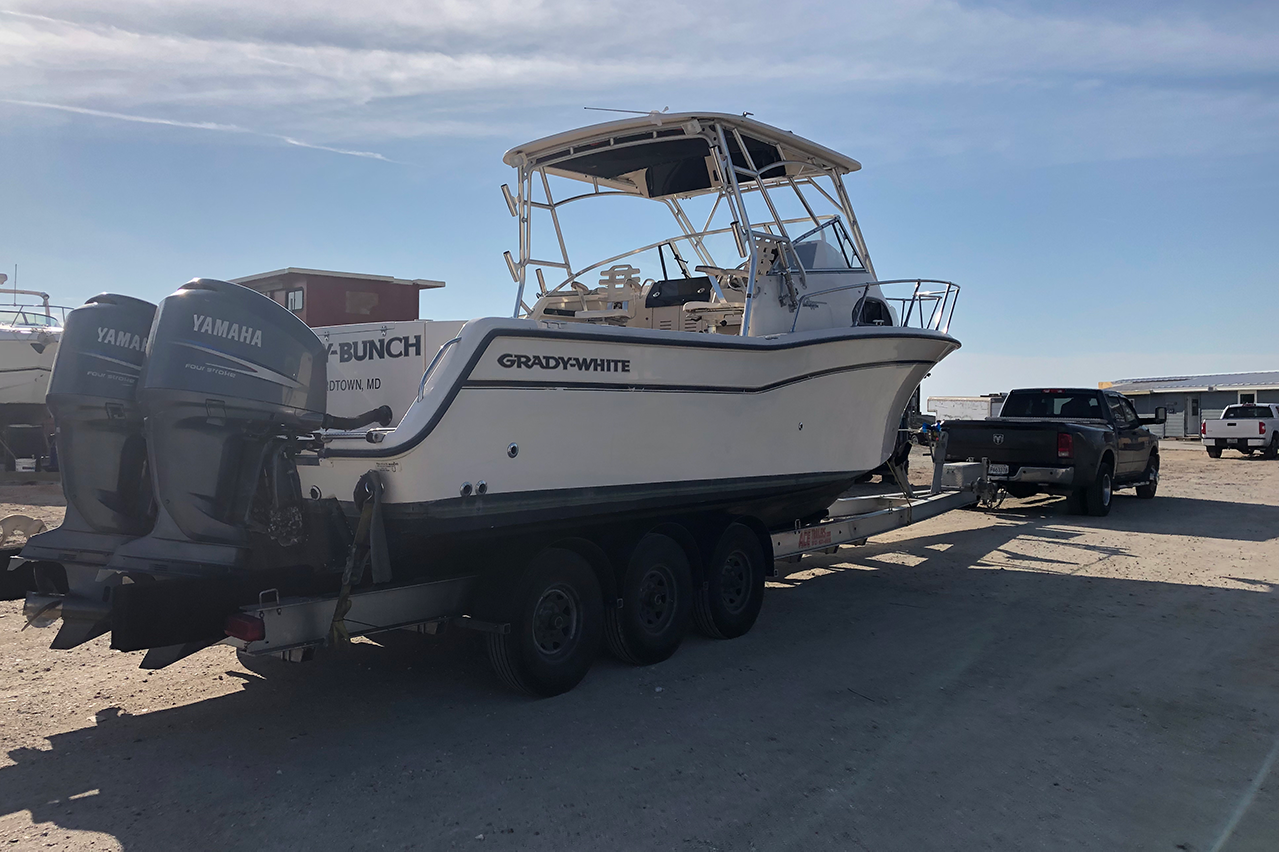
Boat transport pricing is not one-size-fits-all. A quote that seems high from one company may be competitive when you factor in what is actually included. And a suspiciously low quote often hides permit fees, fuel surcharges, and uncovered cargo.
This guide gives you a transparent, 2026 breakdown of how much boat transport costs by boat size, distance, and vessel type, so you can budget accurately and evaluate quotes like a pro.
Boat Transport Cost: Quick Reference (2026)
Most overland boat transport in the US is priced on a per-mile rate multiplied by total distance, then adjusted for vessel size and any permit requirements. Here is the general range:
| Boat Size | Cost Per Mile | Example: 500 Miles | Example: 1,500 Miles |
|---|---|---|---|
| Small (under 25 ft) | $1.50 - $3.00 | $750 - $1,500 | $2,250 - $4,500 |
| Mid-size (25-40 ft) | $2.00 - $4.00 | $1,000 - $2,000 | $3,000 - $6,000 |
| Large (40-50 ft) | $3.00 - $6.00 | $1,500 - $3,000 | $4,500 - $9,000 |
| Yacht / Oversized (50+ ft) | $5.00 - $10.00+ | $2,500 - $5,000+ | $7,500 - $15,000+ |
Note: These are industry ranges based on current market data. Your actual quote will depend on your vessel's specific dimensions, route, and required services. Get an exact quote from Sabree Transport here.
What Factors Affect Boat Transport Cost?
Every quote a boat transport company generates is based on the same core variables. Understanding them helps you anticipate the final number and spot any quote that does not add up.
1. Vessel Size: Length, Beam, and Height
Size is the single biggest driver of boat transport pricing. It affects the trailer or carrier required, the permit classification, and the number of escort vehicles, if any.
- Boats wider than 8 feet 6 inches are classified as oversize loads in all states and require permits.
- Boats taller than 13 feet 6 inches when loaded may require height surveys and route pre-approval.
- Boats over 12 feet wide typically require pilot or escort vehicles in most to all states.
When you request a quote, provide your boat's exact beam, overall height with any superstructure, and length overall, not just the registered length. Inaccurate dimensions are the most common cause of quote revisions.
2. Distance
Longer hauls generally mean a lower cost per mile because fixed costs like driver setup, loading, and permit administration are spread across more miles. A 200-mile move might cost $3.50 per mile while a 2,000-mile move for the same boat might run less than $3.50 per mile.
Short local hauls under 100 miles often have a minimum flat fee rather than a strict per-mile rate because the logistics cost of a 50-mile move is not dramatically cheaper than a 150-mile move for the transporter.
3. Oversize Permits
Every state has its own oversize load permit system with its own fees, processing times, and travel restrictions. Permit costs typically range from $20 to $200+ per state depending on the load dimensions and state.
A cross-country move for a wide yacht might pass through 8 to 10 states, each with its own permit. Coordinating those permits is part of what a professional boat hauling company handles on your behalf.
4. Escort Vehicles
Boats that exceed width thresholds, typically 12 feet or more, require one or more pilot or escort vehicles to accompany the transport. Escort vehicle costs typically add minimum $2.00 per mile to the total, and some states require law enforcement escorts for extreme loads. Ultimately, It all depends on the states' regulations in these matters.
5. Season and Demand
Spring and early summer are peak season for boat transport. Demand is highest, carrier availability is tightest, and rates reflect it. Fall and winter moves, particularly December through February, are typically the most cost-effective. If your timeline is flexible, off-season transport can save you 10 to 20 percent versus a May or June move.
6. Fuel Surcharges
Most boat transport companies apply a fuel surcharge that fluctuates with diesel prices. This is typically a percentage added to the base rate and should be disclosed upfront in any written quote. Ask specifically whether fuel costs are included in the quoted rate or added separately.
7. Marina Haul-Out and Launch Fees
If your boat is in the water at pickup or delivery, the marina will charge a haul-out or launch fee. These are typically charged by the marina directly, not the transport company, and run approximately $3 to $10 per foot of boat length. A 35-foot boat at a marina charging $6 per foot means a $210 haul-out fee that may not appear in the transporter's quote.
8. Shrink Wrap and Special Equipment
For long hauls or high-value vessels, professional shrink wrapping protects the hull from road debris and weather. This typically costs $10 to $20 per foot. Custom cradles for unusual hull shapes are also an additional cost where required.
What Should Be Included in a Boat Transport Quote?
A transparent, professional quote should itemize every cost component. Here is what to look for and what to ask about if it is not listed:
- Base transport rate: per-mile cost multiplied by total distance.
- Permit fees: itemized by state where possible.
- Fuel surcharge: percentage or flat amount.
- Cargo insurance: confirmed included or quoted separately.
- Escort vehicle costs: if applicable to your vessel's dimensions.
- Pickup and delivery coordination fees: if any.
What a transporter's quote typically does not include: marina haul-out or launch fees, shrink wrapping if requested as an add-on, and storage fees if the vessel cannot be delivered on schedule.
At Sabree Transport, we provide fully transparent written quotes with no hidden fees. What you see in the quote is what you pay. Request your free quote here.
How to Reduce Your Boat Transport Cost
- Book early. Last-minute requests during peak season attract premium rates. Booking 3 to 6 weeks out gives you better pricing and carrier availability.
- Move in the off-season. Fall and winter moves are typically 10 to 20 percent cheaper than spring or summer.
- Provide accurate dimensions upfront. Quotes revised due to incorrect boat measurements almost always go up, not down.
- Prepare the boat properly. Delays at pickup caused by an unprepared vessel can add fees. Review our boat prep checklist before your transport date.
- Be flexible on timing. If you can accommodate the carrier's routing schedule, some companies offer reduced rates for flexible pickups.
- Do not just chase the lowest quote. An uninsured or unlicensed operator quoting $0.80 per mile is a liability. Damage claims against an uninsured carrier can cost more than the transport savings.
Get an Accurate Quote for Your Boat Transport
Sabree Transport provides licensed, insured, and DOT-compliant boat hauling nationwide. Our quotes are fully transparent, with no hidden permit fees and no fuel surcharge surprises. Just clear pricing for your specific vessel and route.
To get started, have your boat's length, beam, height, pickup location, and destination ready.
Frequently Asked Questions About Boat Transport Cost
What is the average cost per mile for boat transport?
The average boat transport cost per mile ranges from $1.50 to $4.00 for most standard vessel sizes. Smaller boats under 25 feet typically fall at the lower end of that range, while larger or oversized vessels, especially those requiring special permits or escort vehicles, can run $4.00 to $7.00 per mile or more.
What factors affect the cost of boat transport?
The main factors are vessel size, total distance, oversize permits, season and demand, fuel surcharges, marina haul-out and launch fees, and whether escort vehicles are needed for wide loads.
Are there hidden fees in boat transport quotes?
Some companies add fees that are not in the initial quote, including state permit fees, fuel surcharges, marina access fees, and haul-out or launch charges. Always ask for a written, itemized quote that includes all potential add-ons before booking. Sabree Transport provides fully transparent quotes with no hidden fees.
Is it cheaper to transport a boat in winter?
Yes, fall and winter are typically the most affordable seasons for boat transport because demand drops significantly after summer. If your schedule is flexible, moving your boat in the off-season can save 10 to 20 percent compared to peak spring and summer rates.
Does boat transport cost include insurance?
It depends on the company. Reputable boat transport providers like Sabree Transport include comprehensive cargo insurance as part of their service. Always confirm this before booking because your personal marine insurance may not cover overland transport.